
Named for the man
who first kept travel.
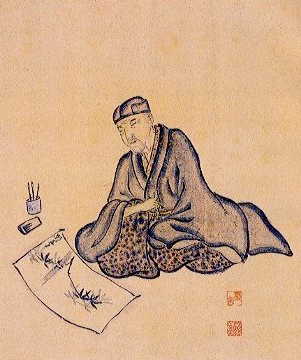
Matsuo Bashō, the 17th-century Japanese poet and father of haiku, was one of the first people to understand the value of travel — and the keeping of memories.
Why Bashō
A long walk, a book.
In 1689 he walked fifteen hundred miles through the north of Japan and came home with a book. He’d invented a way to write it — prose and verse together, tied to the places he’d been. Bashō treated a trip as something worth holding onto. We couldn’t agree more.
Why we made it
One place to keep all the places you love.
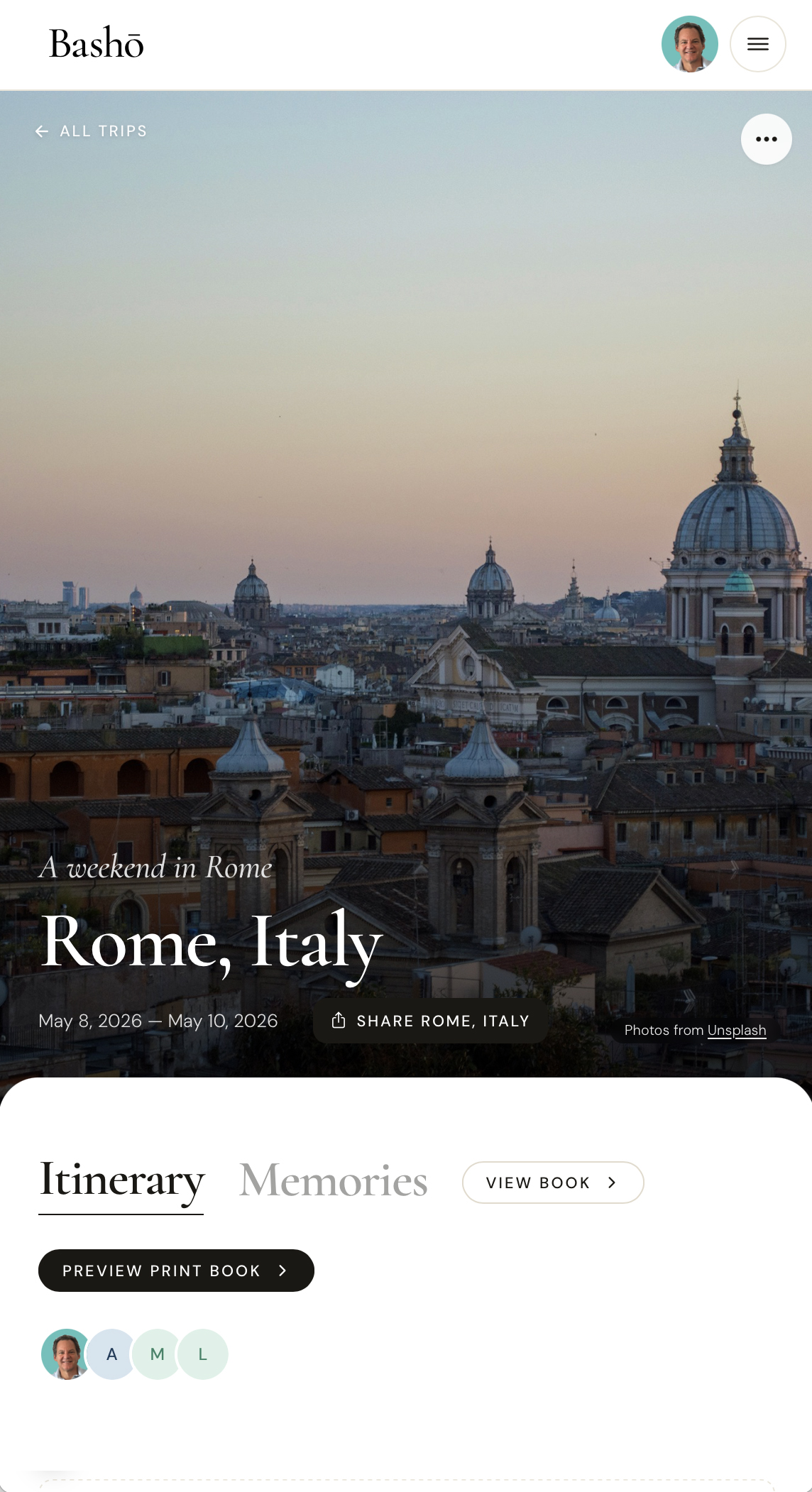
We take more photos than ever and look at them less. The best trip of your year ends up scattered across a camera roll, a few confirmation emails, a receipt you’ll never open again. We built Bashō to gather all of it in one place and turn it into something you’d actually want to sit with again, and hand to the people you went with or inspire others. Travel is worth celebrating. It deserves to be kept.
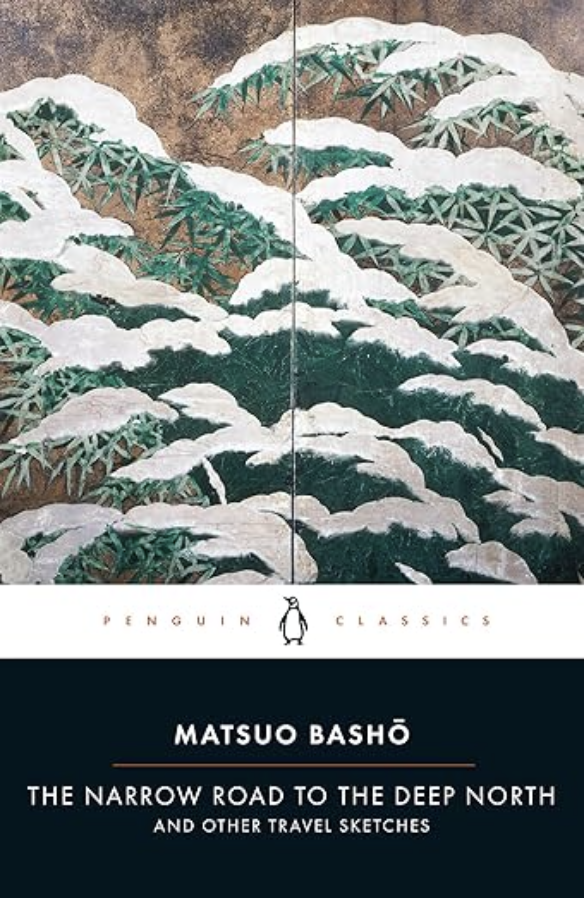
The Narrow Road
to the Deep North
by Matsuo Bashō
Travel is worth keeping.